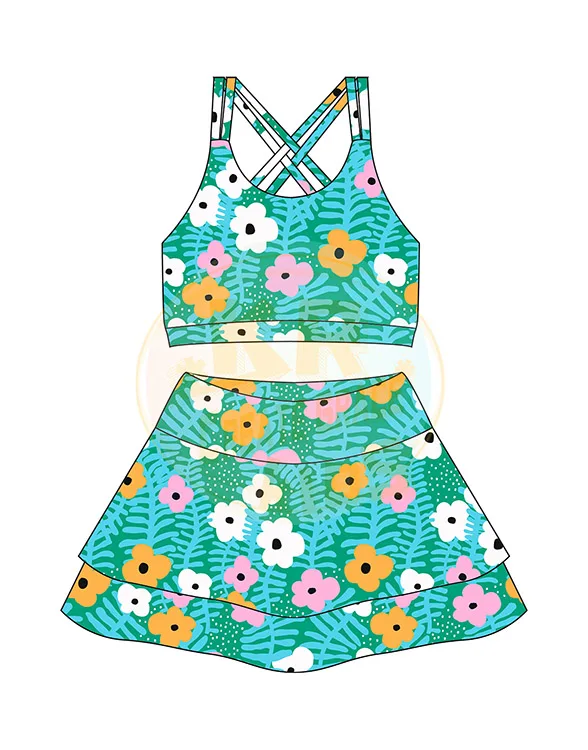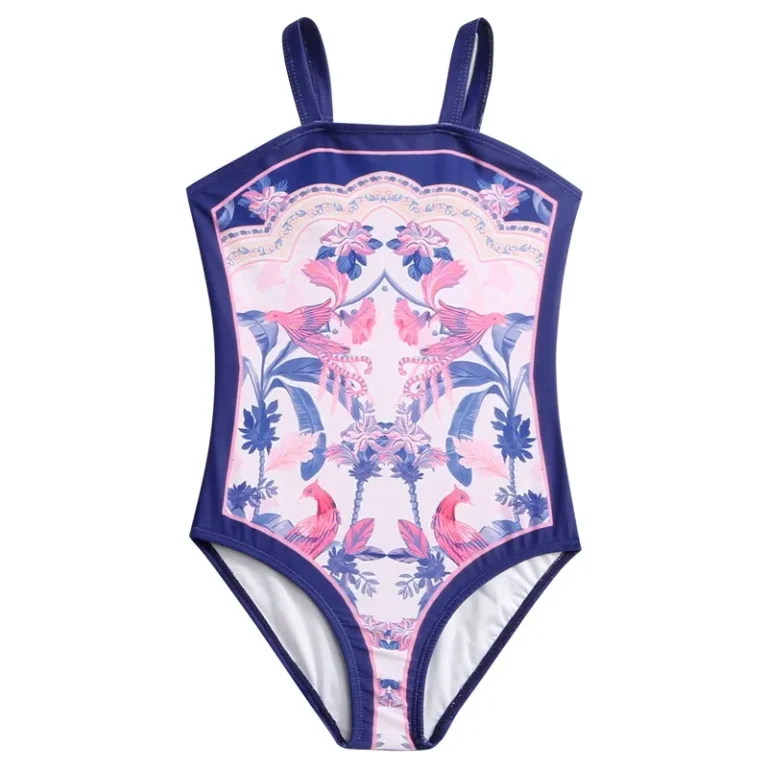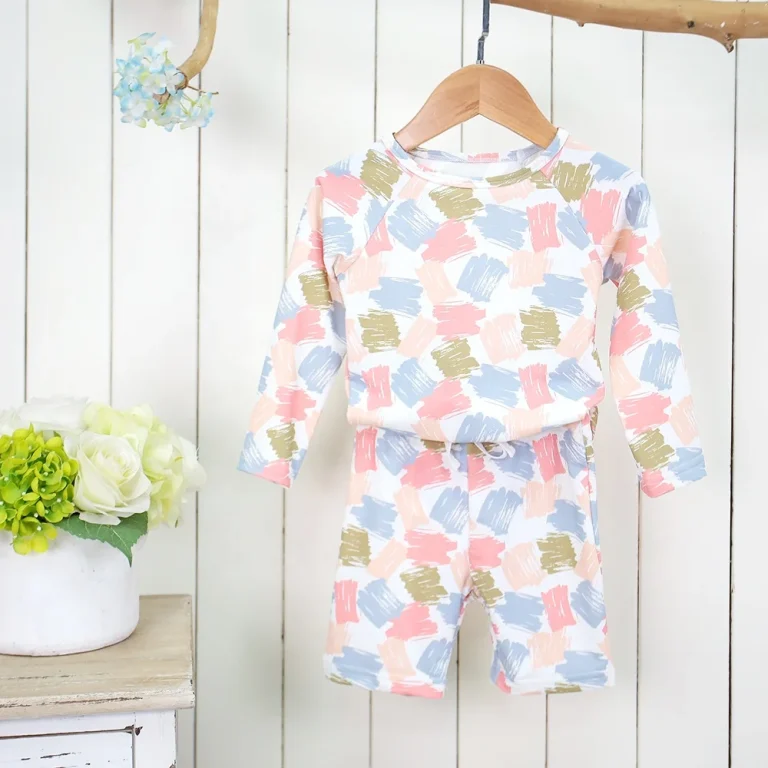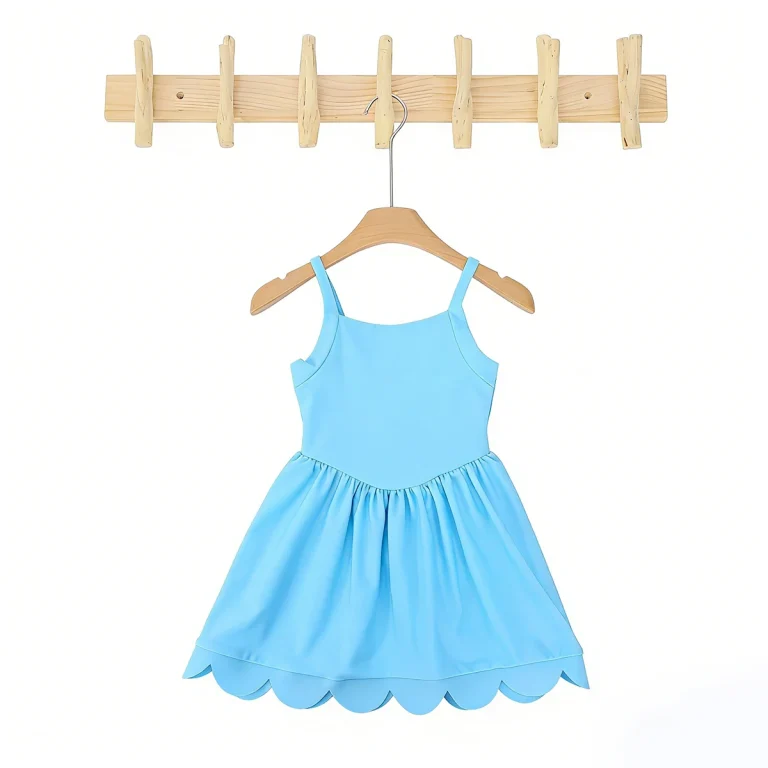
Best CPSC Regulated Uniform-Style Youth Activewear Eco-Conscious Manufacturers High-Volume
Understanding the Core Attributes of Uniform-Style Youth Activewear
As the demand for uniform-style youth activewear continues to grow, ensuring that garments meet rigorous standards for durability, comfort, and aesthetics is critical. Manufacturers must prioritize fabric selection, production techniques, and international certifications to address B2B buyers’ needs effectively. Below, we explore essential aspects that distinguish high-quality garments.
Fabric Characteristics: Weight, Breathability, and Sustainability
Uniform-style youth activewear relies heavily on its fabric properties to deliver performance and comfort. The following key metrics guide fabric selection:
- Weight: Ideal fabric weights for youth activewear range between 180 GSM to 250 GSM, striking a balance between durability and lightweight comfort.
- Breathability: Fabrics designed for activewear often include moisture-wicking properties and a high airflow index to keep wearers cool during physical activities.
- Sustainability: Many manufacturers are transitioning to eco-friendly materials such as organic cotton, recycled polyester, and bamboo fibers to reduce environmental impacts.
Using high-quality OEKO-TEX certified materials ensures the fabric is free from harmful substances, further aligning with global safety standards.
Production Standards: Precision in Stitching and Structural Integrity
Uniform-style youth activewear requires impeccable craftsmanship to support rigorous wear and tear. Key production standards include:
- Stitching: Double-needle stitching and reinforced seams are essential for enhancing garment durability, especially in high-stress areas like elbows, knees, and underarms.
- Cutting Precision: Advanced cutting technologies, such as laser cutting, provide consistent garment sizing and reduce material waste.
- Custom Embellishments: Options like heat-transfer labels or embroidered logos ensure branding consistency without compromising garment integrity.
Manufacturers capable of adhering to CPSIA (Consumer Product Safety Improvement Act) and CPC (Children’s Product Certificate) regulations ensure safety compliance, making their products well-suited for international markets.
International Compliance: Aligning with Regulatory Standards
For distributors and private-label brands sourcing uniform-style youth activewear, adherence to global compliance is non-negotiable. Key certifications and regulatory frameworks include:
- CPC Certification: Guarantees safety for children’s wear by verifying compliance with chemical, mechanical, and labeling standards.
- OEKO-TEX Certification: Ensures that textiles meet high safety and environmental standards, reassuring buyers about eco-friendliness and non-toxicity.
- BSCI Audit: Demonstrates adherence to ethical labor practices and sustainable production processes.
Compliance with these standards minimizes risks for retailers and reinforces product trustworthiness across diverse markets.
B2B Supply Chain Advantages: Customization, MOQ, and Lead Times
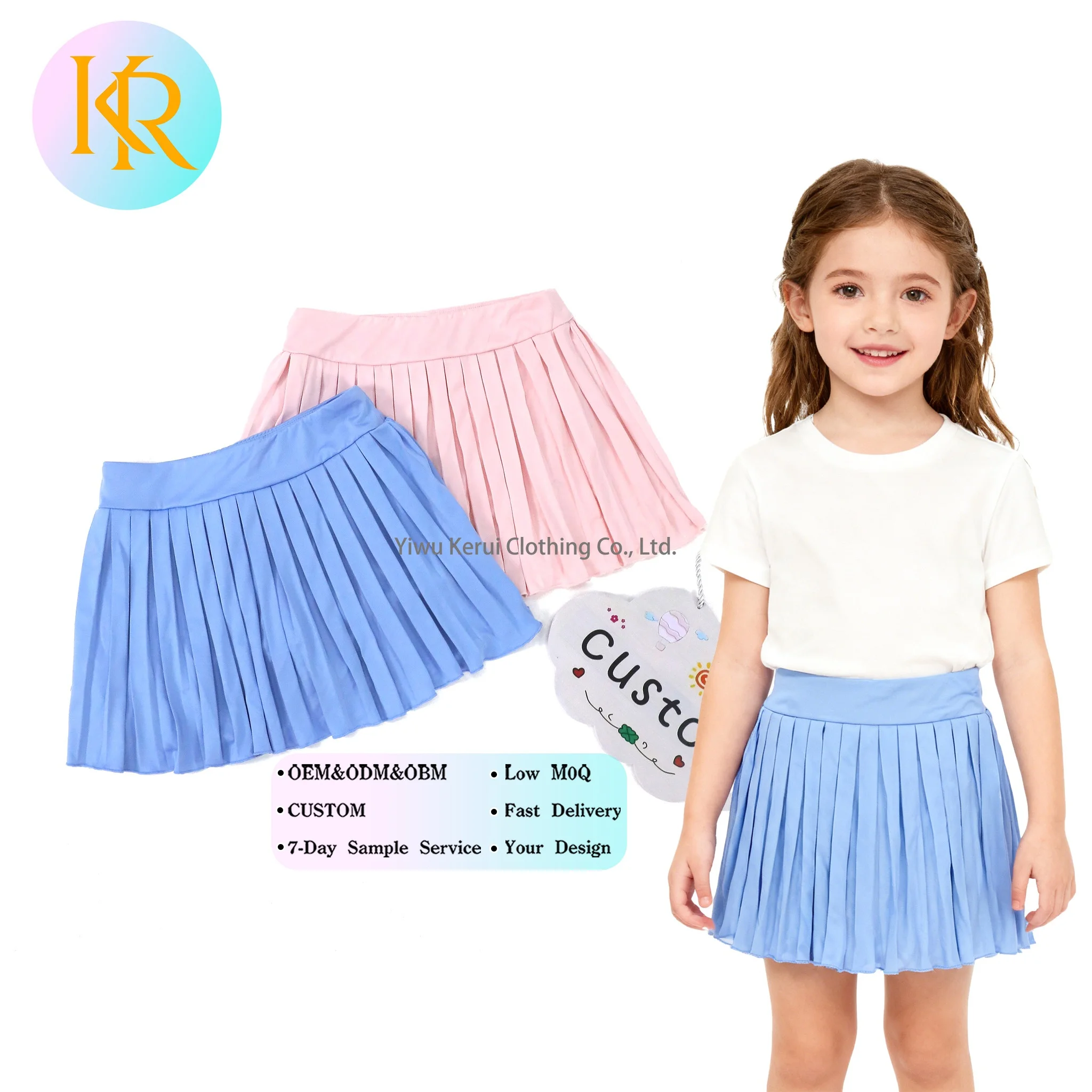
Working directly with a uniform-style youth activewear factory direct eco-friendly baby clothing manufacturer provides B2B buyers with significant advantages:
- Low MOQ: Manufacturers catering to small and mid-size brands typically offer minimum order quantities as low as 100 to 300 pieces per SKU, enabling scalability.
- Fast Lead Times: Efficient production systems ensure delivery within 25-45 days for bulk orders, depending on complexity.
- Private Labeling: Options for logo printing, packaging, and garment tags simplify branding requirements for distributors.
- Customized Solutions: Tailored fabric blends, special designs, and size grading can be developed to meet precise buyer specifications.
Direct collaboration with the factory reduces overhead costs, streamlines communication, and ensures transparency throughout the production cycle.
FAQs
What are typical lead times for uniform-style youth activewear?
Lead times range between 25 and 45 days, depending on order volume and customization complexity.
Can I request custom fabric blends for activewear?
Yes, manufacturers often accommodate requests for specific fabric blends, including organic cotton, recycled polyester, and bamboo fibers.
What certifications should I look for when sourcing youth activewear?
Key certifications include CPC, OEKO-TEX, and BSCI audits to ensure safety, environmental sustainability, and ethical labor practices.
What is the minimum order quantity (MOQ) for private label activewear?
MOQs typically start at 100 to 300 pieces per SKU, depending on the factory’s capacity and customization requirements.
Can manufacturers provide packaging and branding solutions?
Yes, private labeling options, including custom packaging and garment tags, are available for streamlined branding.
If you’re looking to source uniform-style youth activewear factory direct eco-friendly baby clothing manufacturer solutions, contact our team for Customized Solutions and Bulk Order Inquiries tailored to your business needs.