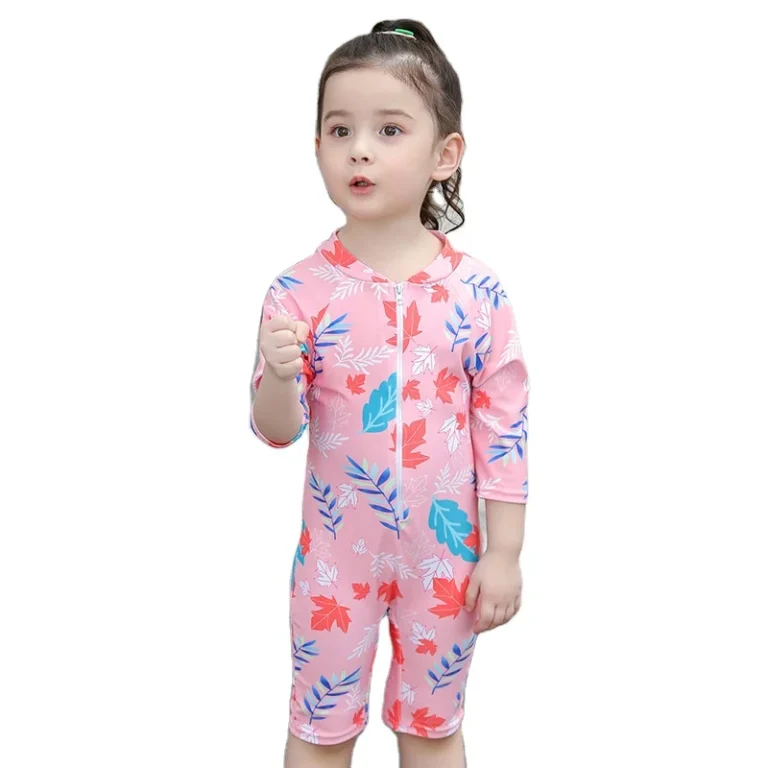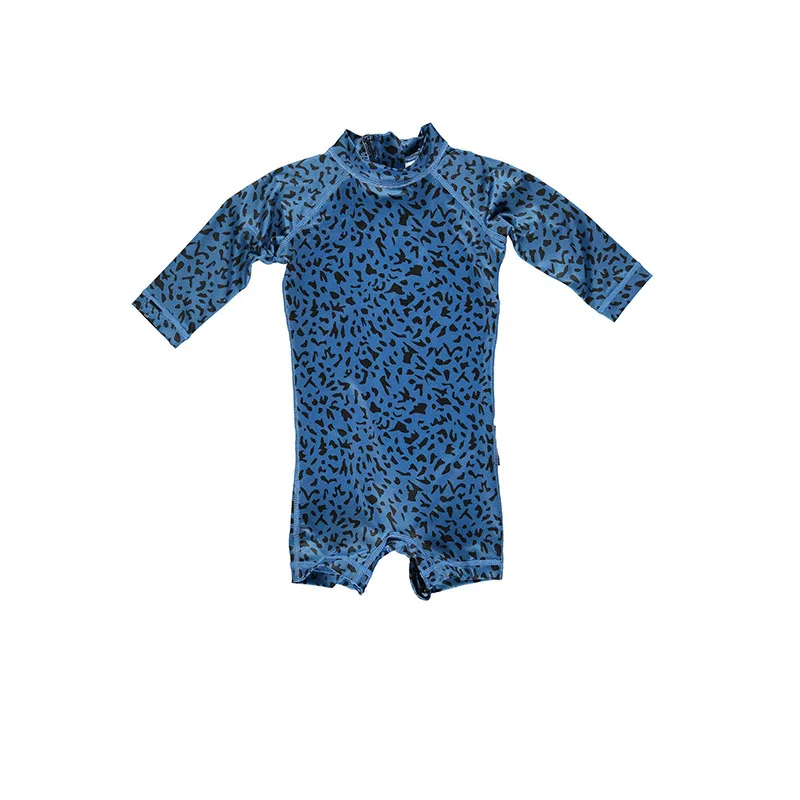
High-Quality Sustainable Kids Activewear Ethical Manufacturing for Global Wholesalers
### The Role of Sustainable Manufacturing in Kids Activewear
#### Understanding the Growing Demand for sustainable kids activewear
The global shift towards sustainability is no longer a niche trend—it is a mainstream industry standard. Parents, particularly millennial and Gen Z consumers, are increasingly concerned about environmental impact and ethical production practices when purchasing children’s clothing. This is especially true for sustainable kids activewear, a category that must balance durability, comfort, design, and eco-consciousness. For brand owners and bulk buyers, sourcing such products directly from an experienced manufacturer is a strategic necessity to meet market demands while maintaining competitive margins.
—
### Key Elements of Manufacturing Sustainable Kids Activewear
#### Materials Selection: Eco-Friendly Fabrics
Manufacturers specializing in sustainable production must prioritize certified eco-friendly materials. Fabrics such as organic cotton, bamboo, hemp, and recycled polyester play a pivotal role in ensuring both environmental sustainability and product durability.
– **Certifications to Look For:**
– Global Organic Textile Standard (GOTS): Ensures organic status from harvesting to production.
– OEKO-TEX 100: Guarantees products are free of harmful chemicals.
– Recycled Content Certifications (e.g., Global Recycled Standard): Validates the use of post-consumer waste materials.
By opting for these raw materials, manufacturers reduce water consumption, energy usage, and carbon emissions throughout the supply chain.
#### Quality Control and Durability
Durability is non-negotiable for sustainable kids activewear, where products must withstand regular wear, washing, and stretching without losing color or shape. Factory-direct manufacturers must implement strict quality control protocols, including:
– Fabric testing for shrinkage, breathability, and elasticity.
– Dye processes using non-toxic and low-impact dyes to ensure vibrant colors without environmental harm.
– Advanced stitching techniques to enhance garment longevity.
—
### Economic and Environmental Benefits of Factory Direct Procurement
#### Why Factory Direct Matters
For B2B buyers, sourcing directly from a factory eliminates unnecessary intermediaries, thereby reducing costs and fostering greater transparency. A sustainable kids activewear factory direct model also enables better customization and larger production volumes, tailored to specific brand requirements.
#### Eco-Friendly Operations
Factories committed to sustainability often implement green manufacturing processes, such as:
– **Energy Efficiency:** Utilizing solar-powered machinery and LED lighting systems.
– **Water Recycling:** Closed-loop water systems and waste treatment facilities.
– **Waste Minimization:** Managing by-products through upcycling and reducing landfill contributions.
—
### Advantages of Partnering with an eco-friendly baby clothing manufacturer
#### Ethical Practices and Certifications
An ethical supply chain begins with fair labor practices. Manufacturers should comply with globally recognized standards, such as:
– SA8000 or WRAP certifications ensuring worker rights and safety.
– Transparent reporting mechanisms for environmental and social impact.
#### Customization Capabilities
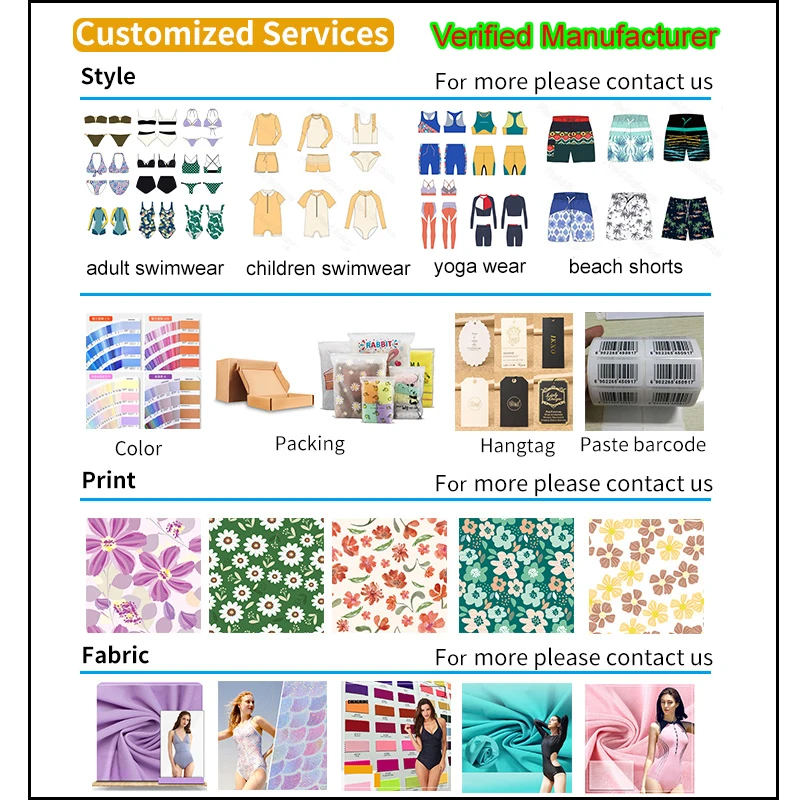
Bulk buyers often require designs that align with their brand identity and market positioning. A vertically integrated factory offers:
– **Custom Fabric Blends:** For unique textures and performance properties.
– **Flexible Printing Options:** From heat transfer motifs to eco-friendly screen printing.
– **Seasonal Adjustments:** Adaptability for different climates and regional markets.
—
### Steps to Evaluate a Potential Manufacturer
Selecting the right sustainable kids activewear factory direct eco-friendly baby clothing manufacturer is critical for long-term business success. Consider the following criteria:
1. **Factory Audits:** Request third-party inspection reports to validate quality standards.
2. **Sample Testing:** Always review prototypes for material quality and construction integrity.
3. **Lead Times:** Ensure timelines align with your seasonal launches to avoid stock shortages.
4. **Eco Metrics:** Ask for data on energy usage, waste output, and carbon footprint.
—
### Driving Business Value Through Sustainable Partnerships
For brands entering or scaling within the children’s activewear market, aligning with a responsible manufacturer is more than a trend—it is a critical business strategy. By choosing the right partner, you gain:
– **Consumer Trust:** Eco-conscious practices increasingly drive purchasing decisions.
– **Operational Efficiency:** Factory-direct models eliminate unnecessary redundancies.
– **Scalability:** Sustainable systems ensure consistent production growth without environmental compromise.
To learn more about how our factory supports bulk buyers with premium sustainable kids activewear, contact our team today for detailed product catalogs, certifications, and pricing structures.
—