Fast Delivery Trendy Youth Activewear 2026 Ethical Manufacturing – Private Label Service
## Forecasting Trends for Youth Activewear in 2026
The youth activewear market has rapidly evolved in recent years, driven by shifting consumer preferences, advancements in sustainable manufacturing methods, and the increasing popularity of wellness-driven lifestyles. By 2026, the demand for *trendy youth activewear 2026* is projected to rise significantly, fueled by innovation in design, material technologies, and customization. For B2B buyers such as wholesalers, distributors, and private label brands, staying ahead means prioritizing flexibility, efficient sourcing, and ethical production practices.
### Market Dynamics Shaping Youth Activewear in 2026
#### Sustainability as a Cornerstone
In 2026, consumers will demand activewear that aligns with their values, including sustainability and ethical production. OEM and ODM manufacturers specializing in *trendy youth activewear 2026* will need to adopt eco-friendly practices, such as using recycled fabrics, low-impact dyes, and biodegradable packaging.
– **Key Materials:**
– Organic cotton
– Recycled polyester
– Bamboo-based textiles
– **Certifications to Look For:**
– Global Organic Textile Standard (GOTS)
– OEKO-TEX Standard 100
– Bluesign-approved materials
B2B buyers should prioritize factories that can demonstrate compliance with these standards and offer a transparent supply chain.
#### Demand for Customization and Personalization
The rise of social media and influencer marketing underscores the importance of unique, brand-specific designs. As younger consumers gravitate toward individuality, private label brands will increasingly rely on *OEM and ODM* manufacturing partners for bespoke solutions.
– **Customization Options:**
– Logo embroidery or screen printing
– Adjustable fits for diverse body types
– Unique color palettes aligned with brand guidelines
This trend also extends to *custom babywear with low MOQ*, enabling emerging brands to enter the market without the financial strain of high inventory.
### Why Manufacturers Must Prioritize Low MOQ
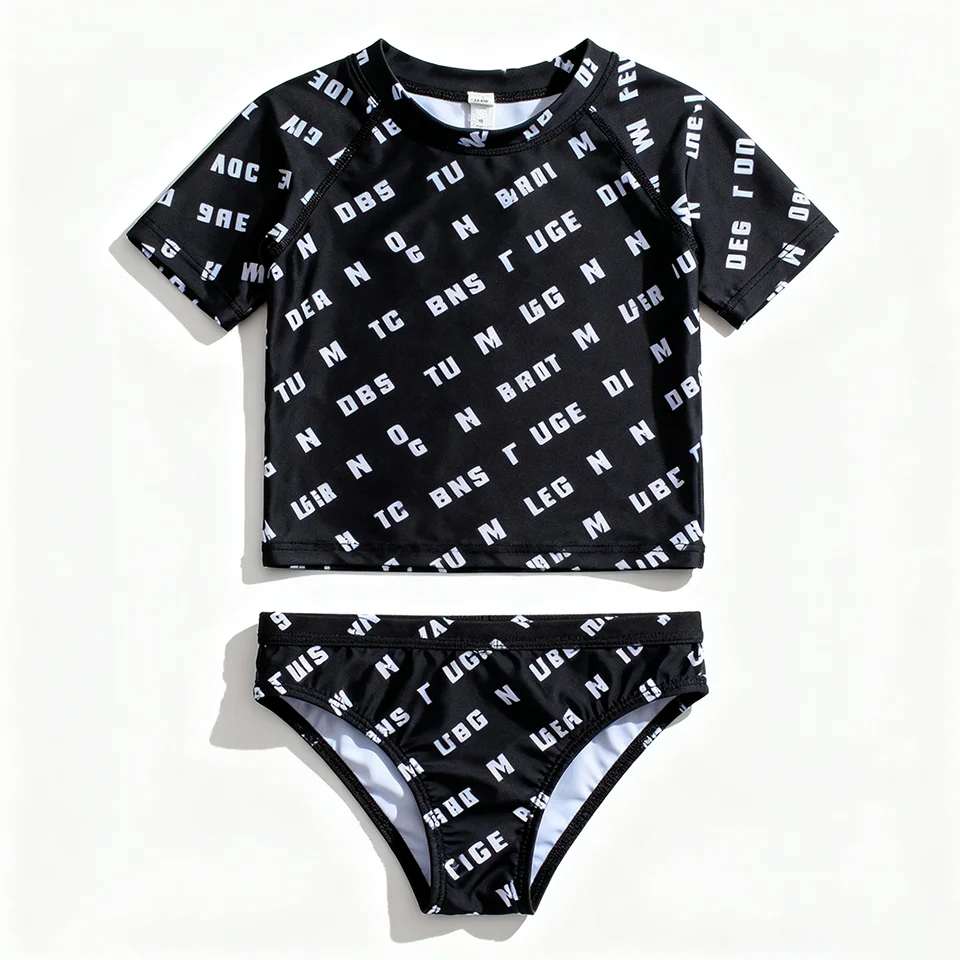
For new and boutique brands, minimizing risk is critical. Factories offering low MOQ options for *OEM and ODM custom babywear with low MOQ* enable clients to test the market, reduce overhead costs, and maintain agility in responding to trends.
– **Advantages of Low MOQ Manufacturing:**
– Reduced financial commitment for inventory
– Faster turnaround for prototyping and sampling
– Ability to scale production based on demand
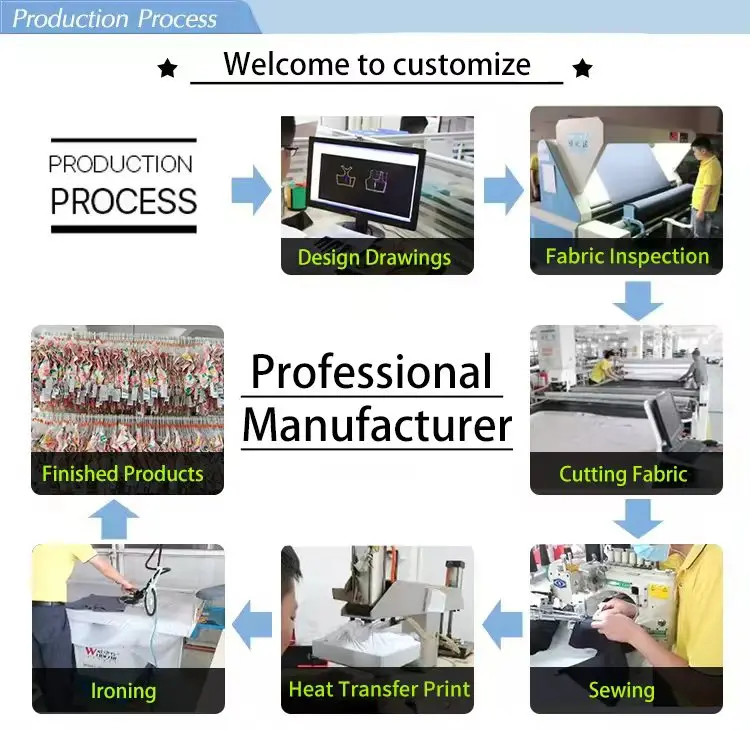
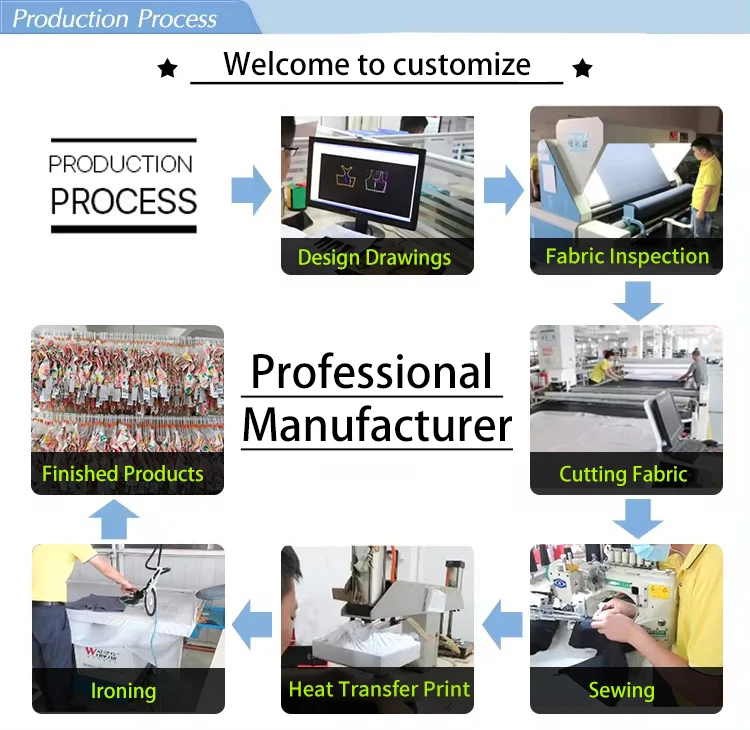
Factories equipped with state-of-the-art machinery can efficiently produce small batches without compromising quality, ensuring that even low MOQ orders meet strict standards.
#### Scalability and Advanced Production Technologies
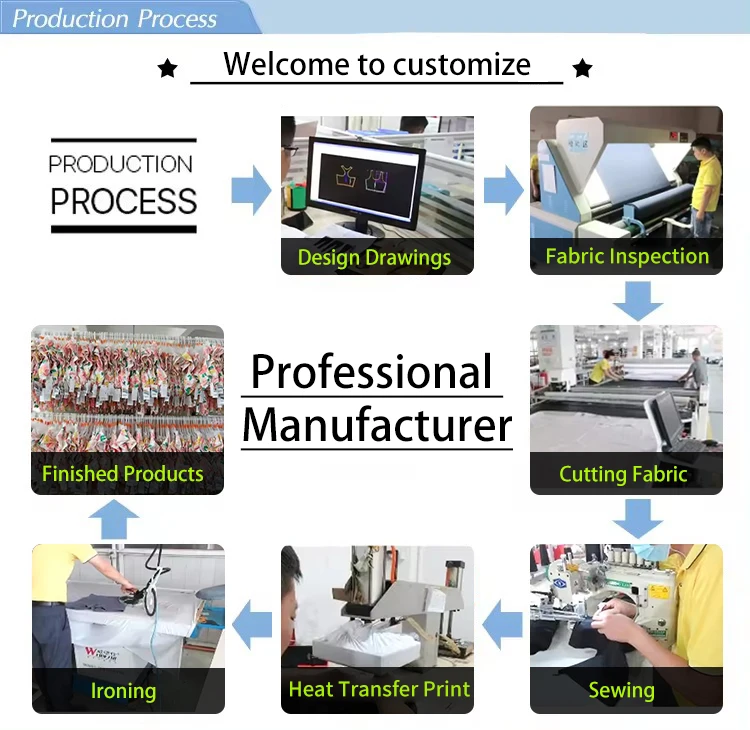
By 2026, manufacturers must integrate high-efficiency production systems to keep pace with demand while ensuring scalability. Automation tools, such as digital fabric printers and advanced cutting machines, will be instrumental in reducing production time, enabling quick customization, and maintaining consistent quality.
– **Production Enhancements:**
– Laser-cutting technology for precision
– 3D knitting for seamless fabrics
– AI-enabled quality control for defect minimization
These technologies provide value to B2B buyers, ensuring consistent quality and faster delivery timelines.
### Key Specifications for Trendy Youth Activewear in 2026
#### Fabric Innovations
The future of youth activewear hinges on performance-focused, lightweight, and breathable fabrics. Buyers should expect their manufacturing partners to offer solutions tailored to end-user needs.
– **Performance Features:**
– Moisture-wicking and quick-dry properties
– UV protection for outdoor activities
– Anti-odor technology for prolonged use
#### Design Standards
For brands targeting younger demographics, design plays a pivotal role in consumer retention. Factories specializing in *trendy youth activewear 2026* must offer trend-focused silhouettes, bold colorways, and size-inclusive options.
– **Popular Styles in 2026:**
– High-waisted leggings with mesh panels
– Oversized hoodies and cropped tops
– Coordinated sets for yoga and casual wear
#### Quality and Safety Compliance
As children’s activewear involves unique safety considerations, factories must adhere to strict compliance standards. Buyers should ensure their chosen manufacturers meet the following:
– **Safety Certifications:**
– CPSIA compliance for chemical safety
– EN ISO 20471 for visibility in activewear
– ASTM standards for durability testing
### Partnering with Reliable Manufacturers
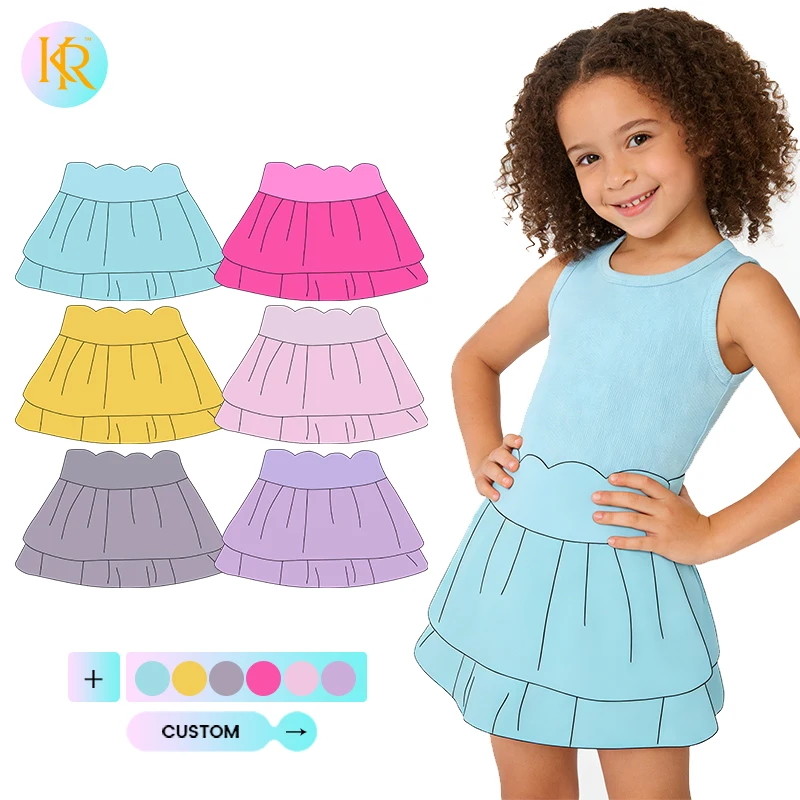
For B2B buyers, choosing the right factory partner is essential for balancing cost, quality, and brand differentiation in the competitive activewear sector. Manufacturers offering *OEM and ODM custom babywear with low MOQ* not only accommodate niche needs but also provide value-added services such as private labeling and design consulting.
– **Checklist for B2B Buyers:**
– Proven expertise in youth activewear production
– Flexible MOQ and scalable production capabilities
– Transparent communication and reliable logistics
Factories with vertically integrated production lines can further streamline costs and reduce lead times, enabling brands to focus on marketing and expansion.
By aligning with expert manufacturers, brands can secure a competitive edge in the rapidly evolving *trendy youth activewear 2026* market while delivering value to their customers.