Eco-Luxury Youth Development Wear SMETA Compliant Suppliers: Premium GRS Certified Bamboo
Understanding Fabric Specifications for Youth Development Wear
When it comes to crafting youth development wear, selecting the right fabric is paramount to ensuring comfort, durability, and sustainability. Fabric weight, measured in grams per square meter (gsm), plays a critical role in the product’s overall feel and functionality. Lightweight fabrics, typically ranging from 120-180 gsm, are ideal for babywear as they provide breathability and softness against sensitive skin. On the other hand, heavier fabrics, such as those in the range of 200-300 gsm, offer enhanced durability and insulation, making them suitable for colder climates or specific developmental needs.
Breathability is another crucial factor in fabric selection. Natural fibers like organic cotton and bamboo excel in air permeability, ensuring that the garments remain cool and moisture-wicking even in warm conditions. Bamboo fabric, for instance, is gaining popularity in youth development wear due to its hypoallergenic properties and eco-friendly manufacturing process. Furthermore, the stretchability of fabrics, often achieved through blending cotton with elastane or spandex, provides ease of movement essential for active children.
Precision in Manufacturing Processes
In the realm of youth development wear, ensuring quality craftsmanship requires attention to detail in every production step. Standardized stitching techniques, such as flatlock seams, are widely used to minimize skin irritation and provide a smooth finish. Double-needle stitching reinforces garment durability, which is particularly important in babywear that undergoes frequent washing and wear.
Quality control is integral to production, with inspections at multiple stages of the manufacturing process. Automated fabric cutting technologies ensure precision, reducing material wastage while maintaining consistent sizing across bulk orders. To uphold quality standards, many manufacturers implement pre-production sampling, allowing buyers to approve prototypes before full-scale production begins. This not only ensures customer satisfaction but also minimizes the risk of costly revisions.
Meeting International Compliance Standards
Adhering to global regulations is non-negotiable for manufacturers engaged in youth development wear OEM and ODM custom babywear with low MOQ. Compliance with the Consumer Product Safety Commission (CPC) regulations is a standard requirement for babywear sold in the United States. These regulations mandate specific safety measures, such as testing for flammability and lead content, ensuring the garments are safe for infants and young children.
For European and global markets, certifications like OEKO-TEX Standard 100 guarantee that textiles are free from harmful substances and meet stringent safety standards. Partnering with manufacturers that hold these certifications enables B2B buyers to offer products that align with consumer demands for safety and sustainability. Additionally, factory audits and social compliance certifications, such as BSCI, further solidify trust and mitigate risks in the supply chain.
Optimizing B2B Supply Chains with Low MOQ Solutions
One of the primary advantages of collaborating with experienced manufacturers in the youth development wear sector is the ability to customize products while maintaining low minimum order quantities (MOQs). This flexibility is essential for small businesses or startups looking to penetrate competitive markets without overextending their budgets. Low MOQ solutions support emerging brands by reducing upfront investment and inventory risks, allowing for a more agile approach to market testing and trend adaptation.
Effective supply chain management also plays a pivotal role in ensuring timely delivery and cost efficiency. Manufacturers offering OEM (Original Equipment Manufacturer) and ODM (Original Design Manufacturer) services streamline processes by handling everything from design and sampling to production and packaging. Private label services allow B2B buyers to focus on branding while leveraging the manufacturer’s expertise in garment production.
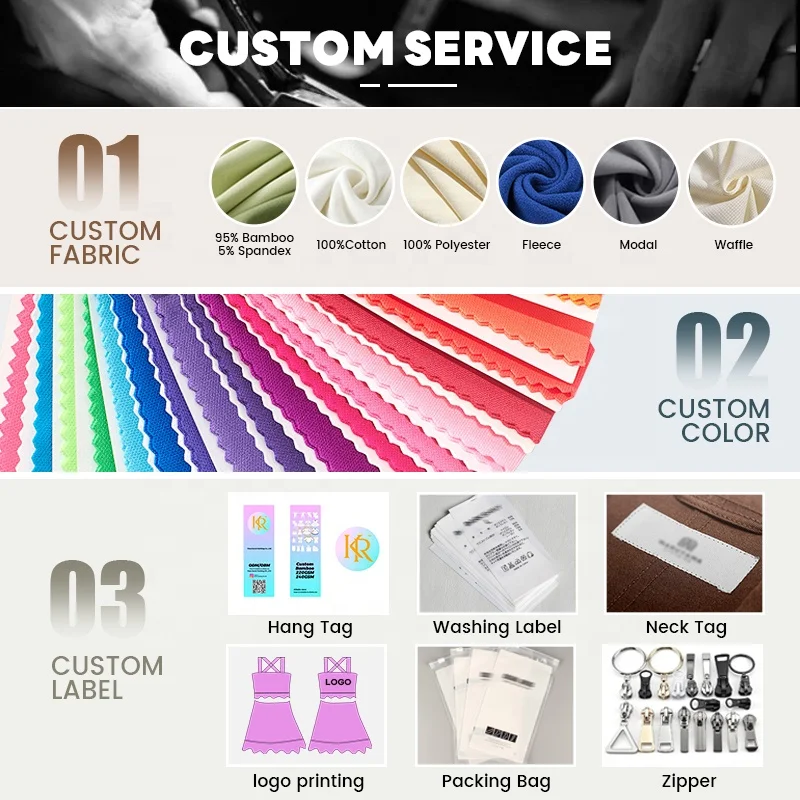
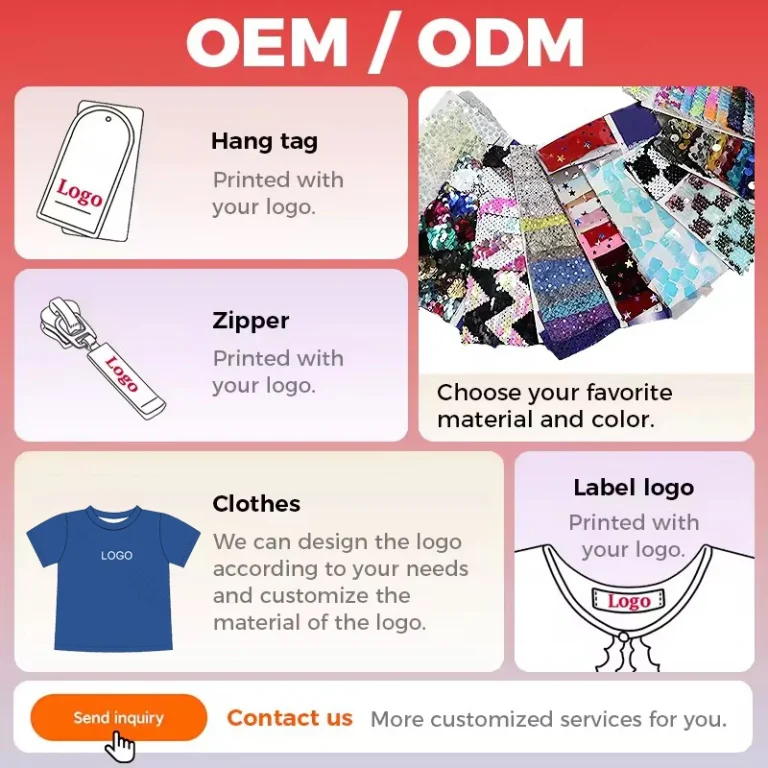
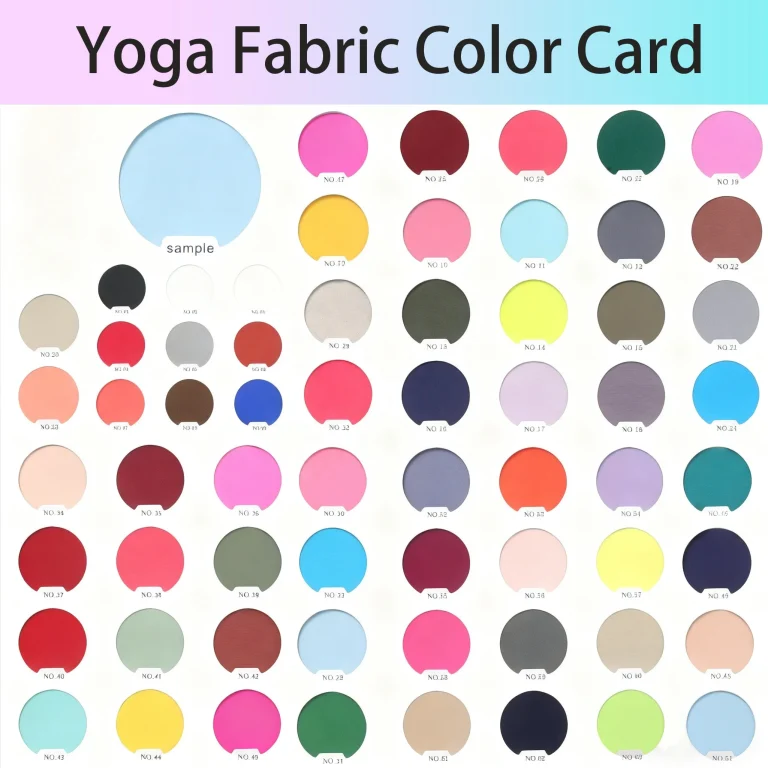
Customization options are key in the OEM and ODM model. Buyers can specify fabric choices, colors, patterns, and even eco-friendly initiatives such as recycled packaging. Partnering with resource-efficient factories ensures competitive pricing without compromising quality, helping businesses scale effectively in both domestic and international markets.
For bulk order inquiries and customized solutions, partnering with a trusted manufacturer experienced in youth development wear OEM and ODM custom babywear with low MOQ ensures streamlined production, superior quality, and tailored products that meet the unique needs of your target consumers.